

Hope in the Moment: When the Future Seems Uncertain
Listen to the Episode


Summary
God offers hope beyond the hope you can see.
Experiencing hope in the circumstances of your life is always about perspective. The most important aspect of your perspective is a correct understanding of the hope that God offers in all the challenges of life. In this podcast we address common beliefs that limit your ability to live in the peace that God offers all His children.
In His Rest,
John and Beth
-
John Murphy:
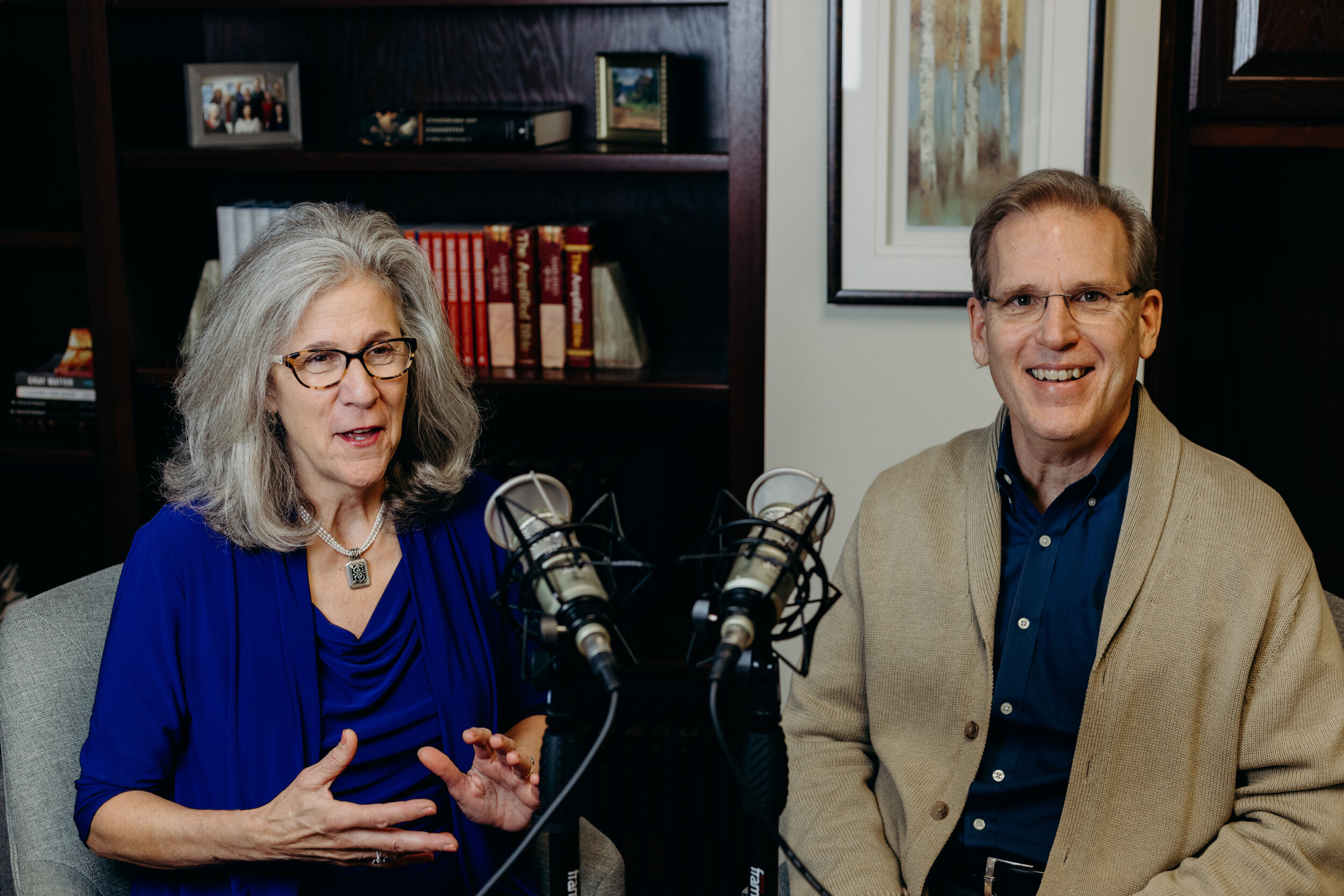
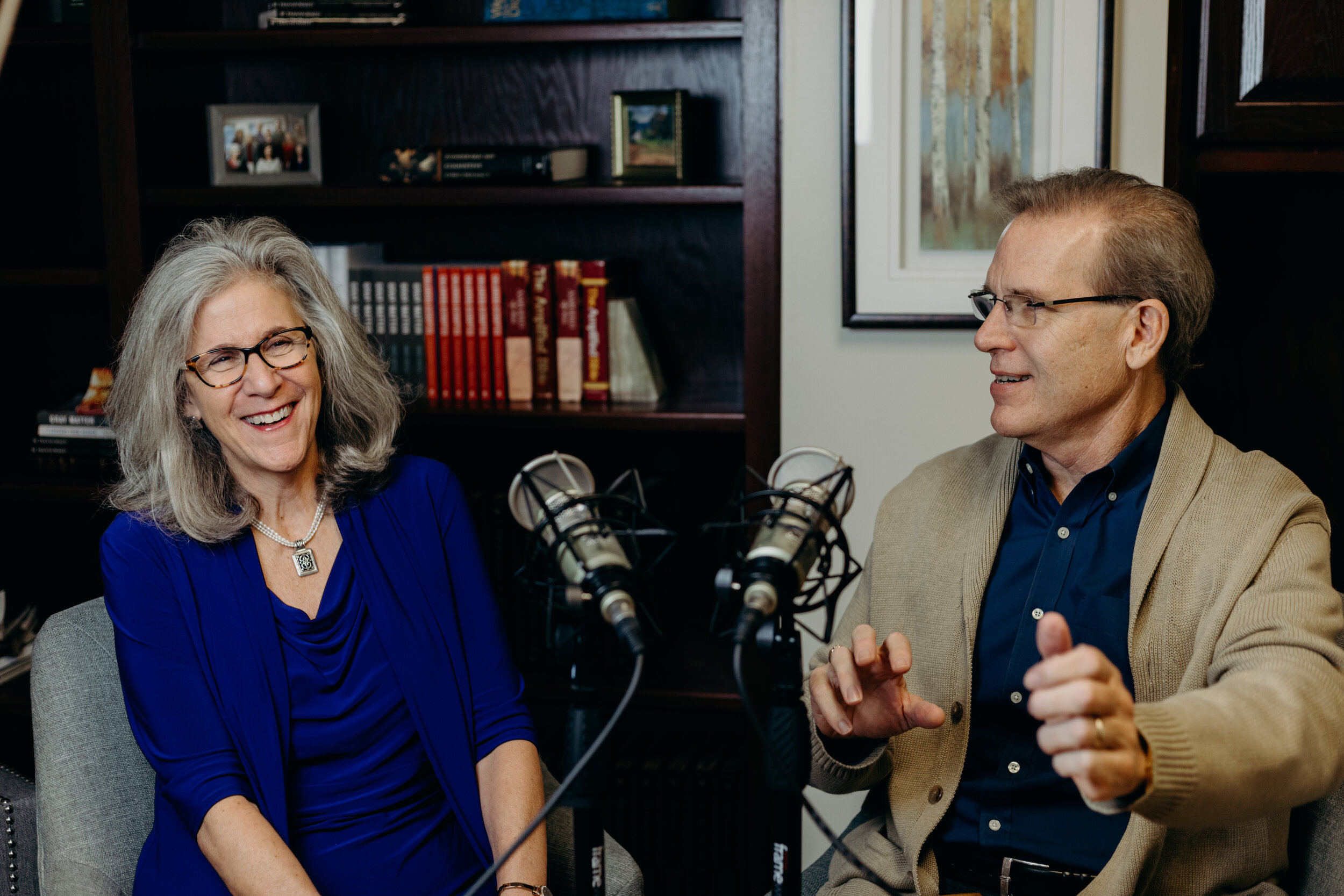
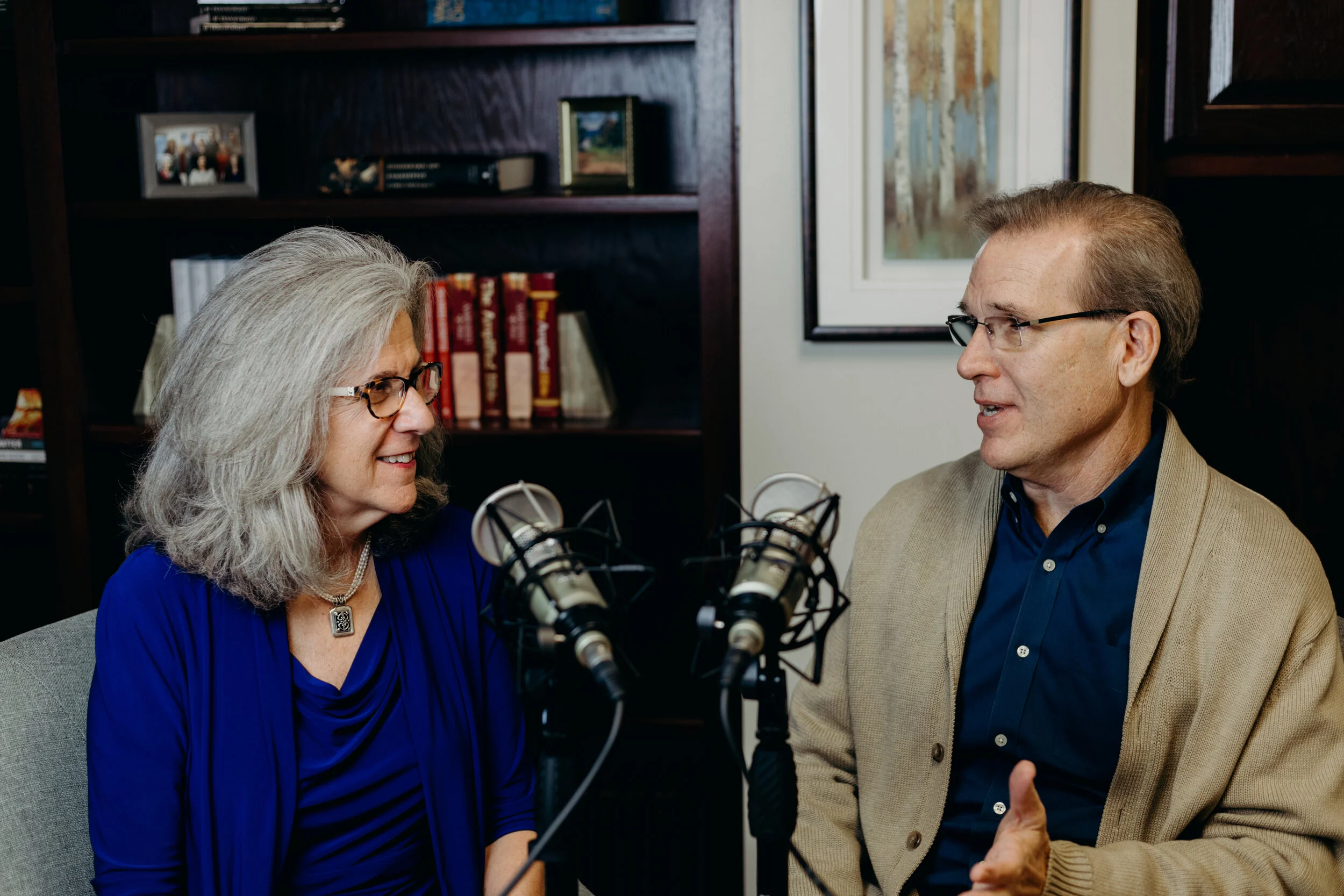
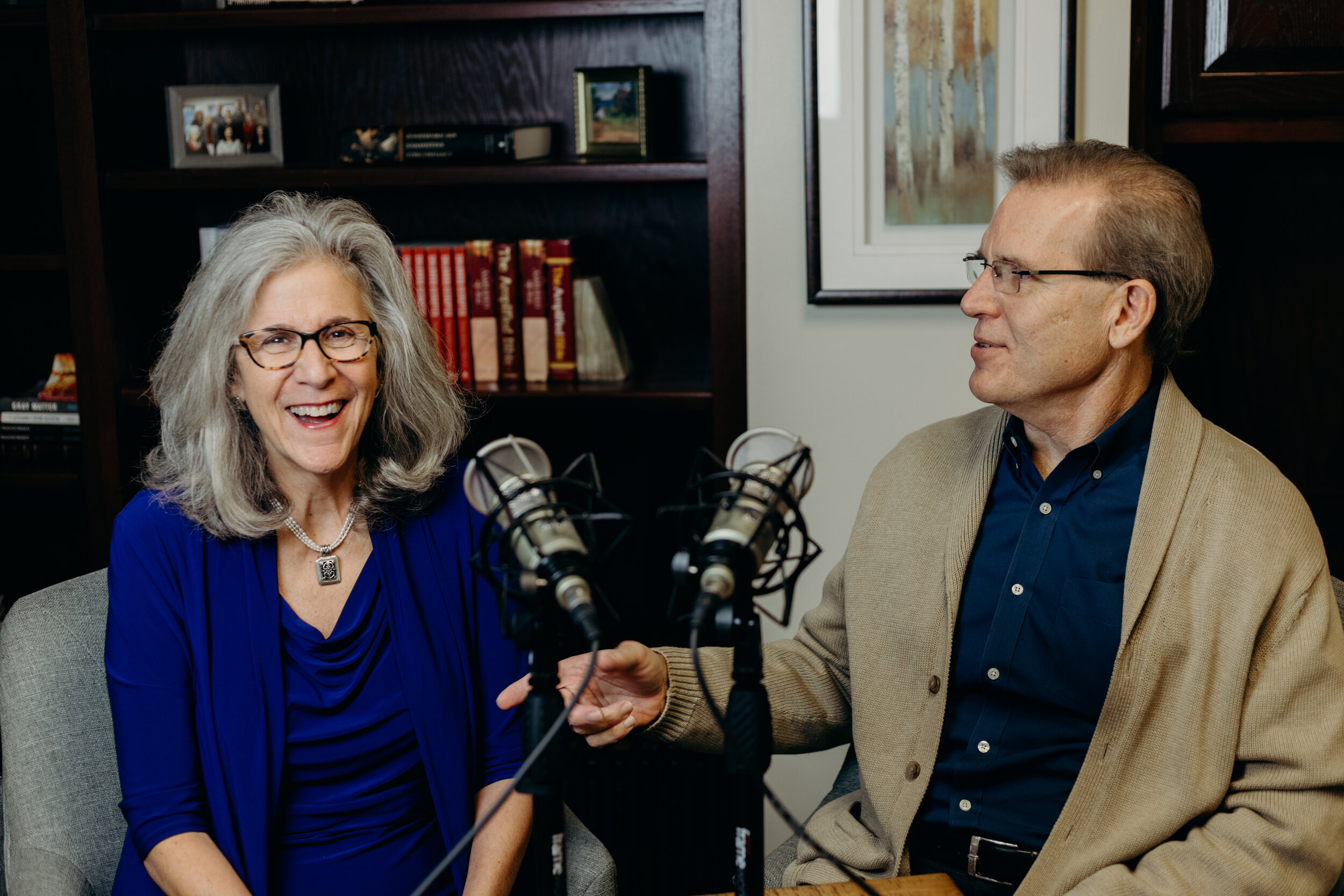
This is the Rockhouse Center Podcast and I'm John Murphy.
Beth Murphy:
And I'm Beth Murphy. Our podcast today is Hope in the Moment. This is one of my absolute favorite topics because it opens the door to talking about the countless ways, not that we're going to talk about all countless ways, but pluck out a few favorite examples of the ways in which God provides hope and encouragement in the midst of a difficult circumstance because God always has hope beyond the hope that we can see in the moment.
John Murphy:
Yeah, the hope is available. But the question is the limitations that we put on God through our perspective and our understanding The clear surprise that I've had many times when God comes through is that the thing that he did the clearly the miraculous unexpected event that solves my problem and brings the solution is something that I never predicted something I couldn't have seen to the extent that I am limiting God's horizon to my horizon then there's not much hope in that. It just means that if I can't fix myself and I can't solve the problem with my horizon, what's available to me, or if I can't imagine the thing that God can do, then that's the end of my hope. Well, that's the problem in that there really are two things. One is that we limit God's possible solutions and reasons to have hope in a situation to only what we can perceive. And another interesting aspect that's underneath that is we also limit God himself to our perspectives about God. So, it is the wrong perspective about the possibilities and the wrong perspective about God that are things that cut off our access to have hope in God in whatever the situation is.
Beth Murphy:
We're all probably familiar with a classic example of how perspective completely changes your decision and what you think that is going to happen and whether or not you have hope in the moment, being Joshua and Caleb. When Moses sent out the 12 spies and 10 came back with an unfavorable report because they looked at the things in the natural, the giants, and that yes, it was a land flowing with milk and honey, but here are all these insurmountable obstacles. Caleb and Joshua had the perspective that, no, of course, God's promised us this land, so we're going to go after this land, because they had that perspective on God that totally colored and changed their decision and their advice and their report.
John Murphy:
That's a great example because you can see that what the situation that they saw in the Promised Land was something they couldn't figure out how to do on their own. They didn't see how it is possible that they could overcome those obstacles. They were limiting to what they thought the options were. And it's also interesting that if you read that story, what you see is the people who came back with the bad report also came to the conclusion that having the Israelites go into this new land was actually part of God's ultimate desire to wipe them out completely. Two completely wrong perspectives. One is that the way in which they're going to handle the challenge of the new land is limited to all the things they can imagine. And then the other thing is that they have a wrong intent and a wrong perspective of God. And if you believe that God is actually out for you, there certainly is no hope in that. It's interesting how the story was three years into the wilderness of the Exodus. And it was interesting that God then decided, okay, we're going to back away from the river. We're going to go out into the desert. And then God spent 37 years basically raising up and demonstrating his trustworthiness and his love and being available to them. And so, he helped the next generation understand how trustworthy he was. And then through all of the ways in which God solved their problems, like their shoes don't wear out, and they have manna coming from heaven, and they had miracles that he's in the cloud by day and the fire by night, and they grew up under a much more real, robust understanding of who God is, how faithful he is, and that the options are things that they really can't necessarily imagine. So, it was those people, those grown-up children who he basically raised into a correct perspective that ultimately went to the promised land. So that's another great example of limited horizons. and limited perspective of God's character is the basis of loss of hope. When God is about hope, that is the absolute thing He brings is peace, hope, and assurance in every situation. And if we can't access that, then these are two places we need to go on our perspective of God.
Beth Murphy:
So of course, the whole wrong perspective of God begets the discouragement and the conclusions of what the limitations are, again, because of what you're saying. So, then the conclusion is that all I have to count on here is whatever I can muster up in my own imagination, my own strength, and my own capability. Because underneath it, there's some thought process, either that God's distant or absent, or that all the way down to the worst end of the spectrum of attributing things of the enemy to the character of God and that he's out to get me or he's wrong or he's bad. That leaves us totally stuck with this limited scope and living in a place of discouragement when challenges come along in life.
John Murphy:
Another interesting aspect of it is the way in which we decide what we think the solution is. I mean, that's a little different perspective, but I've decided that this is the thing that I need that's gonna solve my problem. This is the thing I'm hoping-- Oh my, I've.
Beth Murphy:
Done that so many times.
John Murphy:
And so because we have set this expectation kind of grid in place, we sit there looking for that particular thing. And then we spend all our time investing in that while the answers go by, while we don't have our eyes up, we're not looking for God's movement, we're just all focusing on this is what I want God to give me to make this situation okay. And therefore we become blind to all the other ways that he could be helping us. So it becomes another barrier to hope if we decide the answer and try to pray that in and really kind of try to control God to the problem the way we want it solved.
Beth Murphy:
One of the things that we see very commonly with clients at Rockhouse Center is the belief that the wrong belief, the lie, about God, that because I've prayed for a certain thing and God didn't answer that prayer the way that I prayed it or the way that I wanted it, He therefore cannot be counted on or trusted. That in itself is a tremendously limited view of God and just a wrong view of God. If you boil that down to its basic concept or message there, then it is, I've decided a strategy. This is what I want God to do. I'm trying to control God to do it. He doesn't do that, and just what you said a second ago, then now I'm left feeling hopeless and forlorn because my strategy hasn't been accomplished, and so I feel like it's over. Rather than taking the blinders off, asking God to take the blinders off, help us zoom out to the bigger perspective and be able to see what the Lord might be changing, what He's offering, what He's doing. And just asking God to help us do that, take these blinders off, get my focus off the thing that I'm just white-knuckle clutching onto that I think has got to happen. And of course this would be the right thing, and anybody that's good and loving would want this particular outcome, so that's got to be the thing, and on and on and on. It just leads to misery. So what we want to do is ask the Lord for help in changing our perspective around to a truthful perspective of Him, which is, of course, what He patiently did in the 40 years in the desert in raising up an entire generation who knew him truthfully and who could trust him because of his patient, day-in and day-out love for them?
John Murphy:
Yeah, I can think of times when I just felt hopeless and it increased the suffering of situations because of the wrong perspective. And one of the ones that comes to mind is in the early 90s when I was looking for a new career because the old industry went away because of tax laws and things, and I was out there doing what I always do, right? So I'm looking to me to be the answer, and I'm getting my resume together and I'm wearing it out. I'm trying to do the networking, calling all these people. And in that had two or three jobs that I really wanted, that interviewed for, I really wanted. And I was asking God for them. And I can just remember how I had decided that was the job, but only to find out later that they were really horrible situations. And I'm really glad I didn't take them because it would have cut me off from the direction God wanted me to go, which is in a really different direction. And it worked out over time. His way worked out well. It was an interesting thing. all the frustration and anger I had that, why can't I have this job? This looks right. This guy wants to hire me. And I can remember coming home, thinking about how frustrated I was about a particular interview. And I was just angry. And I felt the temptation to be mad at God about it. I just remember just responding in, no, I will not blame God for this is not him. This is not on him. I will not stop seeking him or following him in the answer, even though I'm not enjoying this moment. He's got something better. He's got something. And so I need to continue on that track. But I defaulted to me in my ways. And then I tried to pray in my answer. Now, if I was back in those days today, I would be just going, Lord, I want whatever you want. Why? Well, because you see the future. You love me perfectly. You're totally trustworthy. You know me better than I know me. You know everything that's coming in my life. It's well-informed love. That's a pretty good basis of having the right thing materialize in your life. That's really the direction that it's moved around to. And another example of this is the way he's come through on financial things. Just doesn't make sense to do anything but pray God's will in the moment. because the way in which he has solved financial things over time in our lives are completely, just completely over the transom, completely unpredictable. And so now it's like, okay, I see that issue that's coming. God showed up a million times, so I'm going to just play the cards I'm dealt and wait for him to do what he's going to do. Instead of all of that anger and frustration and all those things you're trying to do in your way, you end up living in a place of wellbeing where you have a positive anticipation of how God's going to solve the problem and is an important part of the foundation of having hope in this situation.
Beth Murphy:
You alluded to a phrase that I want to pick up on because it's this phrase that I felt the Lord impressed on me years ago that, and I put my stake in the ground on, that I've got something better for you, that God has got something better for me and you than anything we would script out. And most especially better than the thing I may be adamantly demanding, pleading, begging to assuming is the only answer and the best answer. And so going from some of those big things to a really mundane example that made the point so beautifully to me was one morning getting children ready for school and got them all ready. They've had their breakfast, got them all packed up. We're walking out the door and I realized, oh, wait a minute, I didn't eat any breakfast and I'm going to be at a meeting in school that's going to go till about 11 in the morning and I don't want to go to that meeting without having anything to eat. So I'll go back in the pantry, rummage around find one really unappealing Pop-Tart that is, you know, room temperature, a little bit hard, and I'm snarling thinking about eating that Pop-Tart. I didn't like it in the first place, don't know why I had it. The thought came to my mind that felt like it was one of those, it's coming in through the God impressing on your mind track, which was specifically, Eh, put it down. I've got something better for you. And I thought, Well, I guess that could be God. And I sort of, irritative fashion, just tossed that Pop-Tart back in the basket and walked out. Thinking on the way out, there's no way he's got anything better for me. There's nowhere to stop for anything to eat on the way to school. There's nothing at the school. There aren't even any vending machines I'm aware of. And if there were, I wouldn't want it. I don't see that being, that's probably not from God. But anyway, got to go to school. So take him to school. I'm sitting in the lobby because I have a few minutes, 10 minutes or so before the meeting starts, and their children are in their classes. And here comes my favorite teacher in the school with her little kindergarten class, which she parks over on the side and walks over to me and just says, Hey, Beth. I just wanted to tell you that another mom just brought in some fresh homemade scones and they're over here in the teacher's nook and they're really just for teachers, but you've done all this volunteer work for us. We just want to thank you. So why don't you just go get yourself one of those scones? I just thought. Deal. That sounds good to me. Scones are my favorite thing. I go in this little nook and you can smell the aroma of these fresh baked scones on the way in. And it's my favorite kind. It's cinnamon raisin scones. I'm just looking at, really got tears welled up in my eyes and I'm thinking, yeah, got it, Lord. You've got something better. So we've got room temperature, hard pop tart compared to homemade, fresh, warm, they were still warm scones with an added, this little comment from this of this affirmation comment that it was done out of appreciation. What a deal. That happened when our now 30-year-old son was in kindergarten. But that has stuck in my mind for 25 years because it's a theme that doesn't just apply to me because it's not about me. It's about the character of God. So I'm just telling you, remember the Pop-Tart. Remember the cold, hard Pop-Tart. And remember, God's got something better for you.
John Murphy:
It's interesting also how that applies to other aspects of life, like knowing your purpose with God. It's very common when people think about their purpose that they think about it in the context of sort of a grid of what are the important things to them to be a part of whatever that purpose is. And that's another way in which people are limiting God in that if I've got all kinds of criteria on the purpose God has for me and things that I feel like need to materialize in that purpose, then I'm going to have a really hard time understanding what His purpose is and being on track with Him. And And for sure, just right like your story, is that if we can remove all those criteria, God probably has a purpose for us that's better than we can imagine. We imagine a purpose with all these various aspects to it, whether it be, it can be fame, wealth, peace, big families, big houses, be ahead of a church or start a ministry that's going to save a lot of people or whatever it is. And then sometimes those go under criteria, and then as soon as they do, then that's the place in which we've cut off God to actually lead us. So again, we're always looking for God's will because God has always got something better than we can imagine. The hope better imagined. He's always got something better. So whatever it is you're thinking it is, then there's a place, and it's not necessarily measured by the metrics of some sort of worldly standard, but there is something God has for you that is so rich and so deep and so fulfilling inside of you. It'll actually land as something which gives your life tremendous richness and a connection with God. Those are the kind of things that God has for you. And so we need to take off some of the things, some of the criteria we might put on his call so that we can actually achieve or actually be available for the real rich thing God has for us in our life.
Beth Murphy:
It's tremendously encouraging and very important to remember that God's the one who designed you and put in you the desire for things like a deep, meaningful, gratifying, purpose-filled life. We didn't come up with that on our own, but we tend to think of, we have this yearning for purpose and we're disappointed that God's not directing us. But when you back up and think about Him as a truly loving, benevolent, kind-hearted, Heavenly Father, who put these yearnings within you for meaning and purpose in your life, as well as just receiving and living in an intimate relationship where you're fully known and fully loved by Him and value, worth, purpose, all of that, that all came from God in the first place. And so God, therefore, would be the one to rely on to fulfill it. And He wants to give us that hope and encouragement that He wired you that way because intends to fulfill that.
John Murphy:
The way in which we're built is that if we're going to have supernatural peace or hope in a situation, that that comes from trusting God. So the peace you're really looking for is a trust in God, not a controlling the situation. That's really where your hope and peace is going to come in a way that's not going to appear rational to man. So it's important to embrace the idea that it is not likely that whatever it is you're having hope in, in the moment which brings you hope, is going to be something that's going to be considered rational or be a perspective of man. wisdom of all. It's usually going to define man wisdom. So, for instance, just having hope in a bad situation because you trust God, that alone is defying man wisdom.
Beth Murphy:
And you can think about examples in Scripture, too, where those people who have had irrational trust in God, they can be mocked, considered ridiculous, mistreated even. You know, we can get a little bit of that in a polite, more social sort of way in our current culture, but a lot of questioning. So what's wrong with you? Why are you peaceful? You've got this sort of family crisis thing going on. So what are you doing about it? Why would you be peaceful? Kind of like, you don't have your right to be peaceful. I understand that. It's just that the question itself is coming from a perspective of... a complete disconnect and the ability to trust God, that he's got an answer. Not only does he have an answer to be unfolded down the road, his answer's underway. The fact that we can't see it isn't an indication of whether God is trustworthy or faithful. He's trustworthy and faithful, and he has things underway, and that includes when things in the moment even look worse.
John Murphy:
And it's important to understand that we're not saying you just trust God and stand there, but what you have the opportunity to do is work through the situation in peace and listening to to God and with leading so that you have the best possible outcome, that God is with you in that circumstance. So it's not an opportunity or a justification for just pray, give it to God, and go sit on the couch. That's not all what we're saying. What we're saying is that it is a stunningly different way to do life when you can stand in a circumstance and be at peace so you can hear God and get the leading and have the best possible outcome.
Beth Murphy:
The leading can be something that is maybe a little bit outlandish, and it's just a totally different track. but isn't available to our thinking until we release the grip on the thing we're trying to control and the way we're trying to control it. But the more we get in that connect with God kind of groove, the more that we can begin to hear promptings, leadings, that can be a thought about what to do. Sometimes it's just a scripture to go read. You go read the scripture and you go, oh, That's what that's the direction you're oh got it And then they're just practical things where you're just doing what you the best you know to do in the moment You don't know if it's the right thing or not, but you want to submit Commit your heart to God and invite him to close the door on the track you've chosen if it's not the right track because it's just again We're just out there doing the best that we know to do in all these circumstances in life trying to connect with God and in that thought one of the examples it to mine is when we were in a season of looking for a different place to live because where we were had several things that were really not suitable. Busy St. young children, close to the street. and some other unsafe things, I especially felt a real urgency to get out and live somewhere else. And felt like we had found a place that, well, this is it. This got the perfect answer. It's in a secluded area. It's even got woods behind it. This is just what we're looking for. But it didn't happen. It wasn't available. I had enough trust to have prayed that God would close the door, and then when the door was closed, to feel like, okay, well, you probably do have something better for us. But I also had a little bit of yearning still going on. And one Sunday afternoon drove by the place and realized that no, in fact, those woods they were adjacent to had all these hiking trails and all these park-like things that were really desirable. And actually, it was almost like a public park if we'd lived there.
John Murphy:
It was an anthill on Sunday.
Beth Murphy:
There you go. Better description. It was an anthill on Sunday. You couldn't even get your car in to see the place. Wow, I just went, drove away from there going, thank you, Lord, thank you, thank you, thank you. I mean, that's exactly what I would not want. And I just had no idea. And so again, it was years later, actually, when that situation was resolved, and of course, God was taking care of us all the while, while it wasn't being resolved in the natural from what I could see.
John Murphy:
So another piece of this is the, and in this situation, of course, that went on to We did ultimately find a place that was right for us and it was something we kind of didn't expect and it fit in our world and it was really blessing because it was one of those things that shouldn't have worked out for us, but it did. And that kind of opens up the next aspect of trying to recast our relationship with the Lord. And one of the things that in a way that's helpful so that we can have this peace and have access to it is making sure that we are aware of the ways in which God has blessed us and connecting with the things that obviously are blessings, most obviously those things that just would not have naturally happened when they were surprised or the last thing you expected. If it's the last thing you expected and it happened with a very improbable coincidence, then you're probably in the zone of something God's doing for you. It's not an absolute test, but when you think about it, it is appropriate to thank God for it. And as we understand all the ways or we appreciate or we recognize all the ways in which God has blessed us, then we start building this history with God, how trustworthy He In the Old Testament, they talk about putting stacks of stones together called Ebenezers, which were called stones of remembrance, which were basically memorials where God showed up with just what the Israelites needed just in time. So the encouragement of the Lord was to build memorials for all those things. And you can just imagine as they look out over the landscape of their life and literally the landscape of their world, they would see all these stones piled up all over the place. And so what does that do? That is a certainty of the trustworthy of God. That is basically a physical demonstration and a reminder of how trustworthy is. Well, as we are doing that, and we are thanking God, and we are remembering the things that He has done, as we move into another life challenge, we bring all of that assurance with us. And so there's another important aspect of having access to hope in difficult situations, is building this reputation, having God receive the fame He deserves for all that He's done in our lives.
Beth Murphy:
That place of living in gratitude, thanks, which rolls into affection, which rolls into praising, which rolls into worshiping, and just an expression of your love back to God, that's where we want to live. I've said before in other podcasts, but bears repeating, the realization of Psalm 100 as a physical description of moving in as in the temple, where you enter His gates with thanksgiving and His courts with praise, and in that time you keep going until you get to the inner Holy of Holies, and you're approaching with worship, and of course now we're the temple, He lives in you, and so He's right there, He's right resonant within you. living in that place of the truthful acknowledgement of heartfelt gratitude, affection, love, thanksgiving, praise, reverence, all of that, that's what contributes to building the trust muscle and the truth, because where we want to live is under that shower of truth, the shower of God's truth, living under His love, and in the place of then being able to receive His love and operate from a place of trust and faith.
John Murphy:
I think a few things as we kind of wrap this up are some footnotes about barriers that we can fall into, which make it hard for us to be able to trust God. The first one, which I think many people struggle with, and certainly there's a tendency in all of us in the flesh to take control. And it is the idea that we're going to take on the burden and we're going to sort of default to, I'm self-reliant, I'm going to do this on my own. I mean, I would like God to keep the burden, but I'm not waiting on him to do anything. I'm not looking for his plan. I'm just going to attack it.
Beth Murphy:
I'm going to push through, take charge.
John Murphy:
It just, you know, the whole self-reliance thing. And that's one of the many ways in which we also can find ourselves not being able to receive the love and the hope that God has for us. And it is based on a foundational belief that we are supposed to be seeking independence. And I think there's a cultural aspect of this, which does make sense that as we grow up, we will be independent from our earthly parents, our earthly father. But actually, the greatest level of peace we have is the degree to which we are dependent on God for all of our needs. We need to move away from the very sense of that independence is the objective and understand that there is one healthy dependency, and that is complete dependency on God for our peace.
Beth Murphy:
So we're looking for His peace. We're not looking for just to get just enough margin so we don't need Him. It's a very different concept. What comes to mind with that is that interview you may have heard quoted where a newspaper reporter asked Henry Ford about, Well, Mr. Ford, he was one of the wealthiest people of his day. the question was, so how much money is enough money? And he said, oh, it's just a little bit more. And it's that elusive thing, of course, that answer is there is no amount that's enough because I'm perpetually in pursuit of trying to get enough margin so that I don't think I would ever need to rely on God so that it's all about me and the resources that I can build. Well, that's just, honestly, that's hell on earth because that's the, if fill in the blank happens, then I can be peaceful. Well, fill in the blank never overcomes. So the peace that we want, the supernatural peace, is when we realize that when we're trusting God, that's when I've arrived. That's when I'm here at home here in this life. There's the at home in the next life with the Lord, which of course, that's fabulous beyond what we can imagine. But there is that at home place right here now in the moment where we're trusting God, and that's when we have that feeling that I've arrived, I'm peaceful with Him.
John Murphy:
So if you're seeking hope in the moment, beyond anything that you can see or rationally expect in the world, and you're looking for how it is that God is going to invade your world and your moment and your time to bring you peace when it doesn't make any sense that there would be any hope in the situation, then I think you probably want to engage this next prayer. You probably have resonated with a number of these concepts that we've talked about, and in this prayer, we're gonna try to kind of wrap these things all up into a petition of the Lord to help us through these barriers and these beliefs and these wrong perspectives so that we can actually live in greater level of hope. So let me invite everybody into more peace and more hope through engaging in this prayer. Heavenly Father, thank you for all the ways you have provided for my needs. Please give me a grace-filled heart that is aware of all the ways you have loved and sustained me. Father, please make my heart trust you in every situation to seek your ways and solutions in every challenge and uncertainty in my life. I declare it is absolute truth that your solution will always be exactly what I need, and it will come just when I need it. Father, please show me all of the blessings that you have been faithful to provide over the landscape of my life. Grow in me the ability to recognize how you have loved me. and the thanksgiving you deserve. Father, please invade my thinking in the midst of all my life challenges and uncertainties with the assurance of your care for me. Please grow in me a desire for your will and your ways over my own so that I can live the life of absolute assurance you offer me and want for me. Father, thank you for offering me the supernatural peace that makes no sense to the world. May that peace in my life bring you glory and fame. I pray these things in the name of your precious Son, Jesus.
Beth Murphy:
Amen.
John Murphy:
Amen.
Beth Murphy:
Thank you for joining us today. And we do hope and pray that you will have the hope in the moment that God has planned for you. And also we ask that if you know anyone who needs hope and encouragement or has any need for the services of Rock House Center Biblical Counseling, you can direct them to our website. They can send us an inquiry by e-mail or give us a call. And please do forward this podcast to anybody that you think would be blessed by it.
John Murphy:
Yes, particularly people who have the sense of where's God now? Why am I suffering the way I'm suffering? Doesn't God love me? Those kinds of things that you hear from people when they start sounding hopeless, please send them this podcast.
Beth Murphy:
Thank you and God bless.
John Murphy:
Goodbye.